How to Fix a Broken Zipper: Common Problems & Simple Solutions
Updated Jul 2026
Some links on this page are affiliate links. If you buy through them we may earn a small commission at no extra cost to you. We only recommend what we'd use.
- Identify the specific root cause before picking up tools or tugging on fabric.
- Graphite pencils, bar soap, and needle-nose pliers resolve most minor zipper jams.
- Separated teeth usually mean the slider jaws expanded and need squeezing or replacing.
- Frayed tape or missing metal teeth indicate a full zipper replacement is needed.
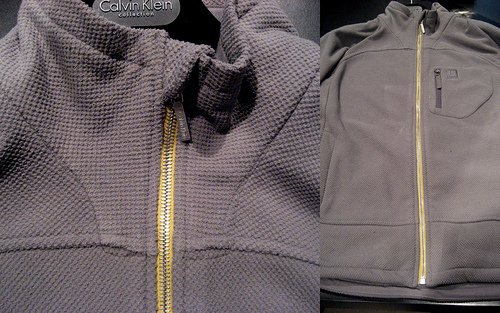
You can fix most broken zippers at home by clearing caught fabric, lubricating stuck teeth with graphite, or gently re-crimping a loose slider with needle-nose pliers.
Understanding Zipper Anatomy Before You Start
A zipper relies on five main components: metal or plastic teeth, two fabric tapes sewn into the garment, a sliding body, top and bottom stoppers, and the pull tab. Identifying which specific part is bent, obstruction-blocked, or misaligned lets you fix the mechanism without tearing delicate fabric or replacing the entire track unnecessarily.
Most people yank on a stuck pull tab until something rips, but taking a second to look closely saves the garment. The slider works by forcing two offset rows of metal or plastic teeth to interlock at a specific angle. When those teeth get misaligned, or when the slider walls expand even a fraction of a millimeter, the mechanism loses its grip. Knowing whether you are dealing with an obstruction, a worn pull body, or compromised fabric tape dictates your next move.
Common Zipper Problems & What They Mean
Zipper jams usually signal caught fabric or built-up grit inside the teeth, while separated tracks mean the slider walls have widened over time. If a zipper slips open under tension, the top stops or slider internal spring lock are worn out. Understanding these cues helps you pick the right fix immediately.
A visual check tells you almost everything you need to know. Look at the track under good light. If the teeth are straight but the track pops open behind the pull as you zip, the slider isn't exerting enough pressure. If the slider refuses to budge in either direction, thin inner lining material is almost certainly folded into the internal wedge. Recognizing the difference stops you from applying the wrong fix and ruining a working track.
Fixing a Stuck Zipper

Fixing a stuck zipper requires gentle patience, surface lubrication, and a close visual check to clear snagged cloth without ripping the track. Avoid forcing the pull tab, which snaps metal sliders or rips teeth from the tape. Most jams release quickly once you relieve tension and apply a slick household lubricant.
Yanking hard on a stuck zipper is the fastest way to pull teeth straight off the cloth backing. Instead, back the slider up a tiny fraction of an inch while holding the surrounding cloth taut. If it feels firmly jammed, work on clearing the obstacle or reducing surface friction across the metal or plastic elements before trying to move it again.
1. Inspect for Fabric or Debris
Tangled threads and folded lining material cause nearly all sudden zipper jams during daily use. Hold the garment up to bright light and inspect both sides of the slider carefully. Gently pull snagged threads out using fine tweezers while easing the slider backward slightly to relieve tension on the woven teeth.
Parka linings and inner pocket flaps are notorious for getting sucked into zipper channels. Work slowly with a pair of fine-tipped tweezers or a sturdy sewing needle. Gently wiggle the caught cloth away from the inside of the slider body rather than pulling straight out. Once the fabric loosens, ease the slider back a couple of teeth to clear the path.
2. Lubricating the Track
Dry lubrication eases stubborn zipper sliders along rough metal or plastic teeth without staining adjacent garment fabric. Rubbing a standard graphite pencil, dry bar soap, or specialized zipper wax over the jammed area lowers friction instantly. Gently slide the pull back and forth until the track operates smoothly again.
Graphite from a soft pencil lead acts as a clean, solid lubricant that works wonders on metal zippers. Generously coat the teeth right above and below the slider, then work the pull up and down in tiny increments to spread the graphite inside the mechanism. If you are working on a light-colored jacket where pencil marks might show, dry bar soap, paraffin wax, or a clear lip balm offer slick alternatives that won't leave dark marks.
Addressing Separated Zipper Teeth
Separated zipper teeth occur when the slider body widens from repeated
FAQ
How do I fix a zipper that won't close?
Often, a build-up of fabric or debris prevents closure. Carefully examine the zipper teeth and use tweezers or a small tool to remove any obstructions. Lubrication with wax or graphite can also help.
My zipper slider keeps coming off, what can I do?
The slider might be worn out. You can try gently squeezing the slider with pliers to tighten it. Replacing the slider entirely is a more permanent, but slightly more involved, solution.
What if the zipper teeth are bent or damaged?
Bent teeth can sometimes be straightened with pliers, but be very careful not to break them. Severely damaged or missing teeth usually require a full zipper replacement by a tailor or seamstress.